The Best Payroll Software US

Compare the top payroll software for US companies — including Deel, Patriot, HiBob, and OnTheClock. See features, pricing hints, and reviews to find the best fit for your team.
35,091
Businesses
clicked on an account software service this month
Veilig Online
Alle gegevens zijn veilig met SSL
Most popular
Deel PSUS
9000+ reviews on
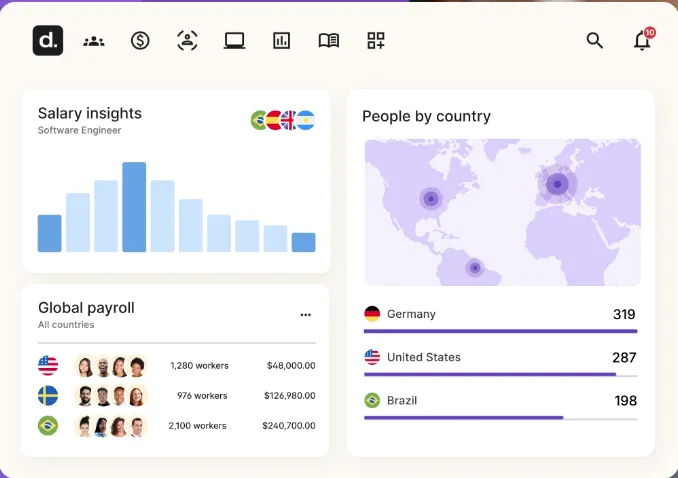
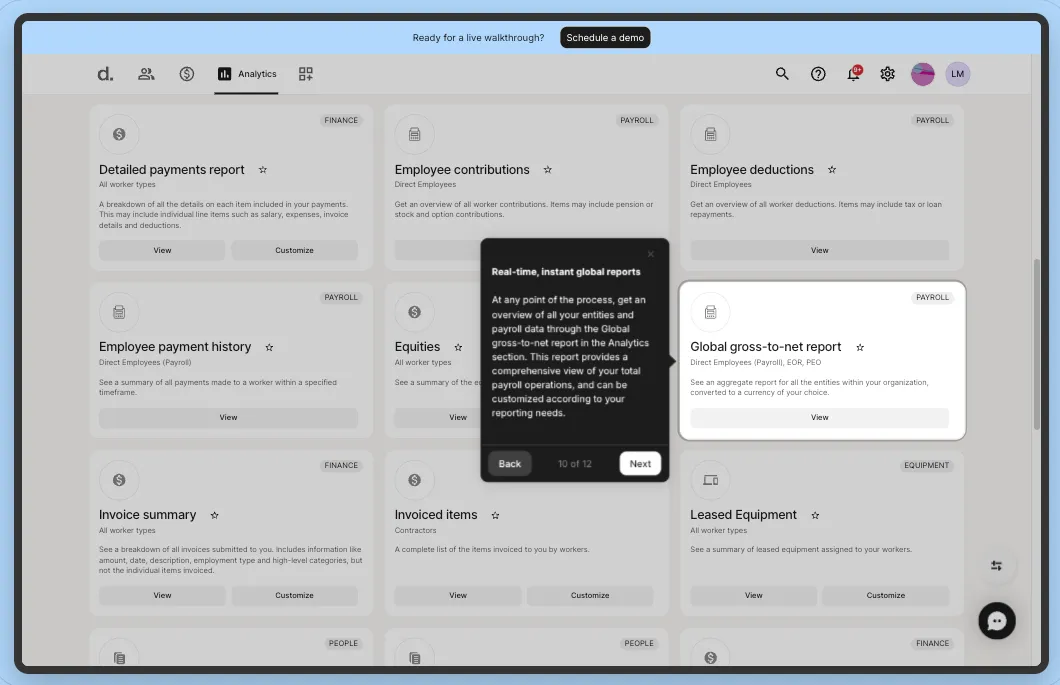
Deel Global Payroll
Deel EOR (Employer of Record)
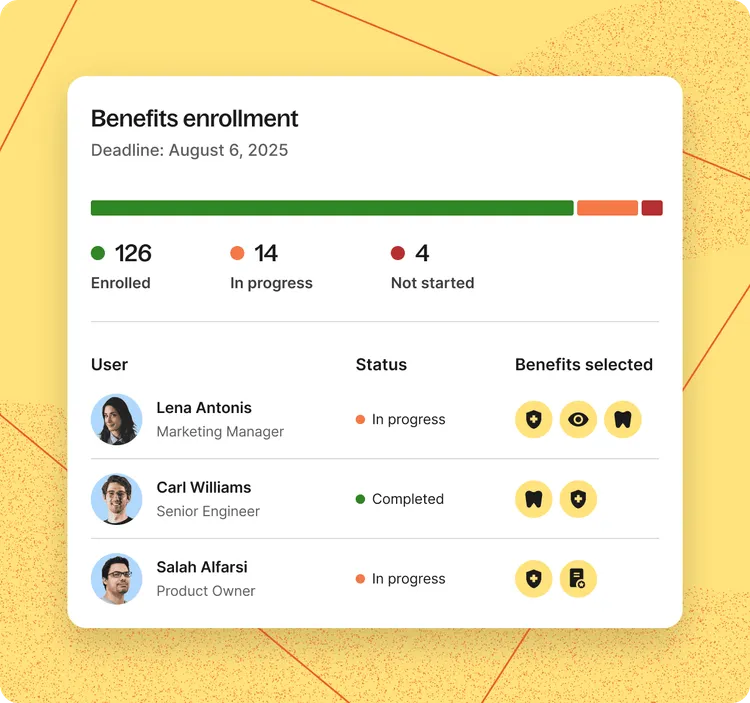
Deel Benefits
Good
9.9
1
Deel International Payroll US
11500+ reviews on
Global Payroll Automation
Multi-Currency Payment Processing
Localized Contracts & Benefits
Good
9.8
2
Deel PEOUS
10,800+ reviews on
All-in-One PEO Platform
Automated Payroll & Tax Filing
Benefits Administration
Good
9.7
3
Patriot Psus
3068 reviews at
Employees enter their hours
HR Compliance Center
Manager permissions
Good
4.8
4
Hibob Plus
123 reviews at
Thousands of users
Modern, intuitive interface
Strong performance management
Scales with growth
Good
9.6
5
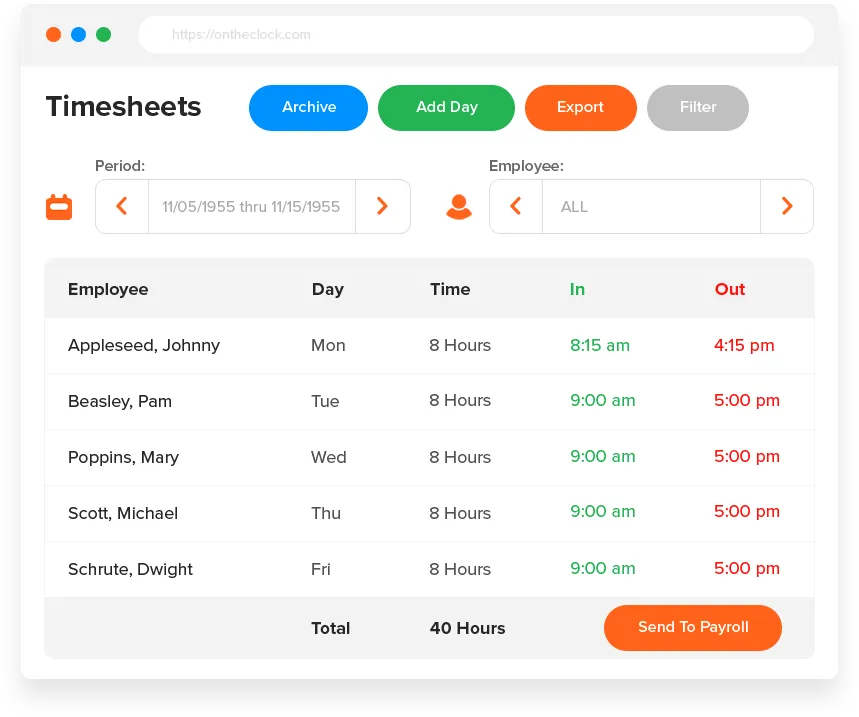
OnTheClock
1,353 reviews at
Complete Payroll in Minutes
Support always answers
Run payroll. in just minutes
Improve communication
Good
4.8
6

Our Best Overall HR Software

Most popular
Deel PSUS
9000+ reviews on
Deel Global Payroll
Deel EOR (Employer of Record)
Deel Benefits
Good
9.9
1

What Is Payroll Software US?

Payroll Software US refers to digital platforms that automate and manage employee payment processes for companies operating in the United States. These tools handle everything from calculating wages and taxes to generating payslips and managing direct deposits. Businesses use payroll software to ensure employees are paid accurately and on time while staying compliant with complex federal and state tax laws.

Modern payroll software in the US also integrates with HR, accounting, and time-tracking systems, allowing seamless data flow across departments. It eliminates the need for manual spreadsheets, reducing human error and saving hours of administrative work every pay cycle. Many US payroll systems also include features like automatic tax filing, benefits administration, and employee self-service dashboards.

What Are Some of the Qualities You Should Look for in An Payroll Software US?

At the very least, a good HR platform should help you centralize employee data and automate time-consuming, repetitive tasks. The best software goes further. Look out for:

1. Centralized Employee Records
Manage all employee data — contracts, job titles, salary details, and documents — from a single secure database.

2. Time-Off Tracking
Easily manage vacation, sick leave, and other absences with automated approval workflows and self-service tools.

3. Onboarding Workflows
Use built-in checklists to onboard new hires quickly, assign team tasks, and manage e-signing of required documents.

4. Performance Management
Conduct reviews, set goals, provide feedback, and monitor progress — all within one connected platform.

5. Compliance Support
Stay compliant with US labor laws such as FLSA, ACA, and FMLA using pre-built templates, audit trails, and automated alerts.

6. Payroll Integration
Connect seamlessly with accounting and payroll tools like QuickBooks Time or integrate directly into your existing payroll system.

7. Employee Self-Service
Allow employees to update information, request time off, and download pay documents without needing HR assistance.

8. Mobile Accessibility
Access payroll data, approve requests, and sign documents via mobile apps — anytime, anywhere.

9. Scalability
Choose software that scales easily, whether you manage a small team of 5 or a growing workforce of 500+ employees.

10. Reporting & Insights
Get real-time visibility into payroll costs, team performance, turnover, and hiring trends through interactive dashboards and custom reports.

Conclusion

Selecting the right Payroll Software (US) is essential for businesses that want to streamline their payment processes, ensure compliance, and save valuable time. A reliable payroll solution not only automates wage calculations and tax filings but also integrates HR, time tracking, and reporting — giving you complete control over your workforce management.

With growing regulatory demands and remote work trends, modern payroll software helps US companies stay compliant with federal and state laws while providing employees with a transparent, accurate, and efficient payment experience.

35,091
Businesses
clicked on an account software service this month
Safe & Secure
Secured website

Our Top 4 Picks

1
deel.com
Good
9.9
deel.com
Best For:
Learn how modern HR can deliver a seamless, global worker journey
Pricing:
Special offer: Up to 3 free months* of Deel PEO
Free Trial:
Book a free 30-minute product demo
Deel helps tens of thousands of companies expand globally with unmatched speed, flexibility and compliance. Get our all-in-one Global People Platform that simplifies the way you onboard, offboard, and everything else in between.
Pros
Deel Global Payroll
Deel Contractor of Record
Deel EOR (Employer of Record)
Cons
Keep track of the latest legal updates
2
HiBob HR
Good
9.6
HiBob HR
Best for:
Mid-sized US businesses with disparate teams and intricate HR requirements
Pricing:
(Also custom priced, but generally in the $16 to $25 per employee/month range)
Free Trial:
Demo available
HiBob is a modern HR platform designed to support engagement and performance. It comes with feedback tools, customizable workflows, and integrated reporting capabilities. A great fit for scaling companies seeking a custom, contemporary experience.
Pros
Cons
Beautiful UI
Built-in engagement and feedback tools
Supports global teams
May not be best for the smallest businesses.
Payroll may require integration

This is the title

Payroll software is software that automates payroll and employee payment processes such as salary calculations, tax deductions, benefits, and direct deposits. Small business payroll software centralizes all your pay-related information in one place, making it easier to manage employee data, ensure compliance, and eliminate manual calculations or double entries.

The best payroll software for small businesses in the US comes in two forms: desktop payroll software and online payroll software. Desktop payroll software is installed locally on company computers, while online payroll software — also known as software-as-a-service (SaaS) — operates in the cloud. Both offer essential payroll functions, but cloud-based payroll software provides greater flexibility, real-time updates, and easier access for distributed teams.

Related Questions

What is Payroll US software?
Payroll US software is a digital solution that automates salary payments, tax calculations, and compliance with federal and state labor laws for U.S.-based employees.
How does Payroll US software help small businesses?
 It saves time by automating recurring payroll tasks, reducing manual errors, and ensuring accurate tax filing—helping small businesses stay compliant and efficient.
What’s the difference between Payroll US and International Payroll?
 Payroll US focuses on domestic payroll within the United States, while International Payroll supports multiple countries, currencies, and global compliance needs.
 Can Payroll US software integrate with HR or accounting tools?
 Yes, most modern payroll platforms like Deel, Patriot, and HiBob integrate seamlessly with HR, accounting, and time-tracking systems for smoother data management.
How secure is Payroll US software?
 Leading providers use advanced encryption, role-based access, and regular audits to protect sensitive employee and financial data.
Which Payroll US software is best for my business?
It depends on your company size, team structure, and compliance needs. For global teams, Deel is ideal; for domestic payroll, Patriot or OnTheClock are great options; and HiBob works well for companies seeking strong HR integration.

References

1
US Department of Labor – Wage & Hour Division (Fair Labor Standards Act, Affordable Care Act)
2
SHRM Society for Human Resource Management
3
CCPA / CPRA – California Consumer Privacy Act & Right to Opt Out of the Sale of Personal Information.
Disclaimer
This information is intended for healthcare professionals. Any medical decision-making should rely on clinical judgment and independently verified information. The content provided herein does not replace professional discretion and should be considered supplementary to established clinical guidelines. Healthcare providers should verify all information against primary literature and current practice standards before application in patient care. Dr.Oracle assumes no liability for clinical decisions based on this content.
Any other questions?